
Leaking gutter joints and damaged sections can lead to serious problems such as damp, unsightly stains on masonry, mould growth, and even structural issues affecting a home’s foundation.
Understanding how to repair gutter leaks is crucial for protecting valuable property, preventing water damage, and maintaining curb appeal. Whether tackling minor leaks or more extensive damage, this guide serves as a comprehensive resource for UK homeowners seeking practical, professional, and effective solutions.
Common Causes of Gutter Leaks and How to Identify Them
Understanding the root causes of gutter leaks is essential for effective repairs and prevention. Leaks often arise due to blocked gutters, joint failures, damaged brackets, wear from UK weather, and poor installation practices.
- Blocked Gutters: Leaves, twigs, moss, and other debris accumulate, causing overflowing water that stresses joints and seals. Blocked gutters are the most common cause of isolated damp in UK homes, accounting for over half of reported issues.
- Joint Failures: Union bracket seal deterioration, compounded by debris and general wear, leads to most gutter leaks.
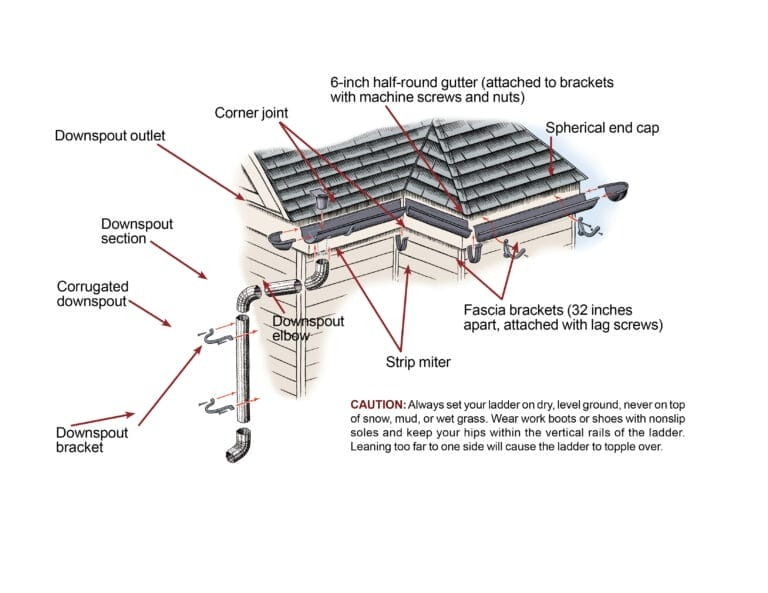
- Bracket Damage: Loose or broken fascia brackets can result in sagging, which disrupts water flow and puts pressure on seals.
- Material Wear: Repeated temperature changes cause expansion and contraction, leading seals to weaken and allowing dirt entry. Metal gutters are particularly prone to rust and corrosion.
- Incorrect Installation: Faulty fall angles and improper spacing lead to pooling or overflow, exacerbating minor leaks into major problems.
Leak Identification Tips:
Visual checks for standing water, overflow during rain, warped or drooping gutter runs, and water stains on walls can pinpoint leak locations. Most roof leak repairs involve single-joint leaks or minor cracks; extensive multiple failures or structural issues require professional attention.
Essential Tools and Materials for Gutter Repair
Completing gutter repairs safely and effectively depends on proper tools and quality materials.
- Safety Equipment: Extension ladders with stabilizers, stand-off brackets, heavy-duty gloves, non-slip boots, goggles, and a helper for ladder stability are mandatory. For roofs above one story, a safety harness is recommended.
- Repair Materials: Use polyurethane-based roof and gutter sealant for durability. Replacement union brackets and rubber seals address faulty joints. Waterproof repair tape serves as a temporary fix, while wire brushes and white spirit aid cleaning and rust removal.
- Costs: Professional sealant costs £8-£15 per tube; union brackets £3-£8 each; basic repair kit £25-£40. Scaffolding or specialist equipment adds more for high or complex jobs.
Selecting compatible materials based on the gutter, whether uPVC, cast iron, or aluminium, ensures a lasting, watertight repair.

Step-by-Step Guide to Repairing Leaking Gutter Joints
A systematic approach ensures that repairs succeed and leaks don’t reappear.
Preparation and Safety
- Position the ladder at a safe 4:1 angle ratio with rubber feet engaged.
- Clear debris from the affected area using a wire brush and gentle running water (garden hose).
- Unclip the union bracket and lower it to the ground for cleaning.
Cleaning and Assessment
- Wash the bracket in warm, soapy water; pay attention to rubber seals and expansion marks.
- Remove excess sealant with a putty knife and white spirit.
- Inspect for damaged seals or cracks; replace rubber gaskets if worn.
Repair Application
- Apply a thin, even layer of roof and gutter sealant to all clean, dry surfaces, following manufacturer’s instructions.
- Reattach the union piece, aligning with expansion marks for proper fit.
- Clamp the joint tightly and allow at least 24 hours curing time before exposure to rain.
Testing and Validation
- Use a garden hose to flush water through the system and check for leaks or seepage at repaired seams.
- Monitor the area during and after the next rainfall.
Repairing Cracks and Small Holes in Gutters
Crack size, gutter material, and location dictate the most suitable repair technique.
- Cracks <5mm: Suitable for sealant repairs. Clean the affected area thoroughly, apply sealant to a depth half the crack’s width, and smooth for a neat finish.
- Cracks >10mm: Require section replacement. Multiple cracks or deteriorated material call for complete system upgrade.
- Material-Specific Repairs:
- uPVC: Flexible sealant and smoothing tools.
- Cast Iron: Remove rust first, apply primer, then filler and paint with bitumen.
- Aluminium: Use specialist metal-bonding sealants.
When to Repair vs Replace Gutter Sections
Strategic decisions rely on damage assessment and cost comparison.
- Repair: Suitable for single joint leaks, stable sections with minor cracks (under 10mm), loose brackets, minimal overflow from small blockages.
- Replace: Recommended for multiple joint failures, sagging sections, widespread rust/corrosion, recurring leaks after previous repairs.
- Material Considerations: uPVC repairs are often temporary; replacement may save money long-term. Cast iron is strong and worth investment in repair. Aluminium has moderate success with patching.
| Repair Type | DIY Cost | Professional Cost | Replacement Cost |
| Joint Leak | £5–£15 | £60–£90 | £45–£70/meter |
| Crack Repair | £8–£20 | £30–£50 | £45–£70/meter |
| Bracket Fix | £10–£15 | £18–£20 | £45–£70/meter |
How Downpipes and Flow Issues Contribute to Gutter Leaks
It is easy to focus on a leaking joint or visible crack, but in many cases the real issue sits further along the system. Poor water flow, blocked downpipes, or pressure build-up during heavy rain can all force water out of otherwise sound guttering.
If water cannot drain efficiently, it will always find the weakest point, which is often the affected seal or a slightly misaligned joint.
Common flow-related problems include:
- Blocked downpipes causing water to back up and overflow at joints
- Poor positioning of downpipes leading to uneven water distribution
- Incorrect fall angles in modern guttering systems, allowing water to sit instead of flowing
- Debris build-up in the surrounding area, especially from trees or roofs with moss
Signs the issue may be more than just a simple leak:
- Water spilling over the front edge during rainfall
- Damp patches appearing lower down on walls near a cast iron downpipe
- Repeated roof leaks in the same section despite previous repairs
- Guttering that appears full even when rain has stopped
In these situations, attempting a quick fix on the joint alone will not solve the bigger concern. The entire flow of the whole guttering system needs to be checked to ensure water is being directed safely away from the house.
Comparing Gutter Materials and Repair Approaches
Not all guttering behaves the same, and understanding your material helps you choose the right way to fix a leaking gutter. What works for uPVC may not be suitable for cast iron guttering or other types of metal guttering.
Below is a simple comparison of common materials used in most modern guttering systems and how they typically perform when repairs are needed:
| Material | Common Issues | Repair Approach | Long-Term Consideration |
| uPVC (modern guttering) | Cracking, joint leaks, UV wear | Sealant or joint replacement | May require section replacement over time |
| Cast iron guttering | Rust, corrosion, joint failure | Clean, prime, reseal or patch | Durable but needs ongoing maintenance |
| Aluminium guttering | Joint movement, minor dents | Specialist sealant or section swap | Lightweight and fairly long-lasting |
| Steel guttering | Rust and expansion issues | Rust treatment and sealing | Strong but prone to corrosion |
When deciding whether to repair or replace, consider:
- Age of the system and condition of multiple joints
- Frequency of leaks, especially after heavy rain
- Whether issues are isolated or affecting the whole guttering system
- The condition of connected elements like downpipes and brackets
For example, a leaking joint on relatively new uPVC may be a straightforward repair. However, recurring leaks in older cast iron guttering could point to widespread wear, making replacement a more cost-effective solution.
Taking the time to assess the material and the wider system ensures you are not just applying a temporary fix, but actually protecting your house from future structural damage.
Using a Professional Roofing Company
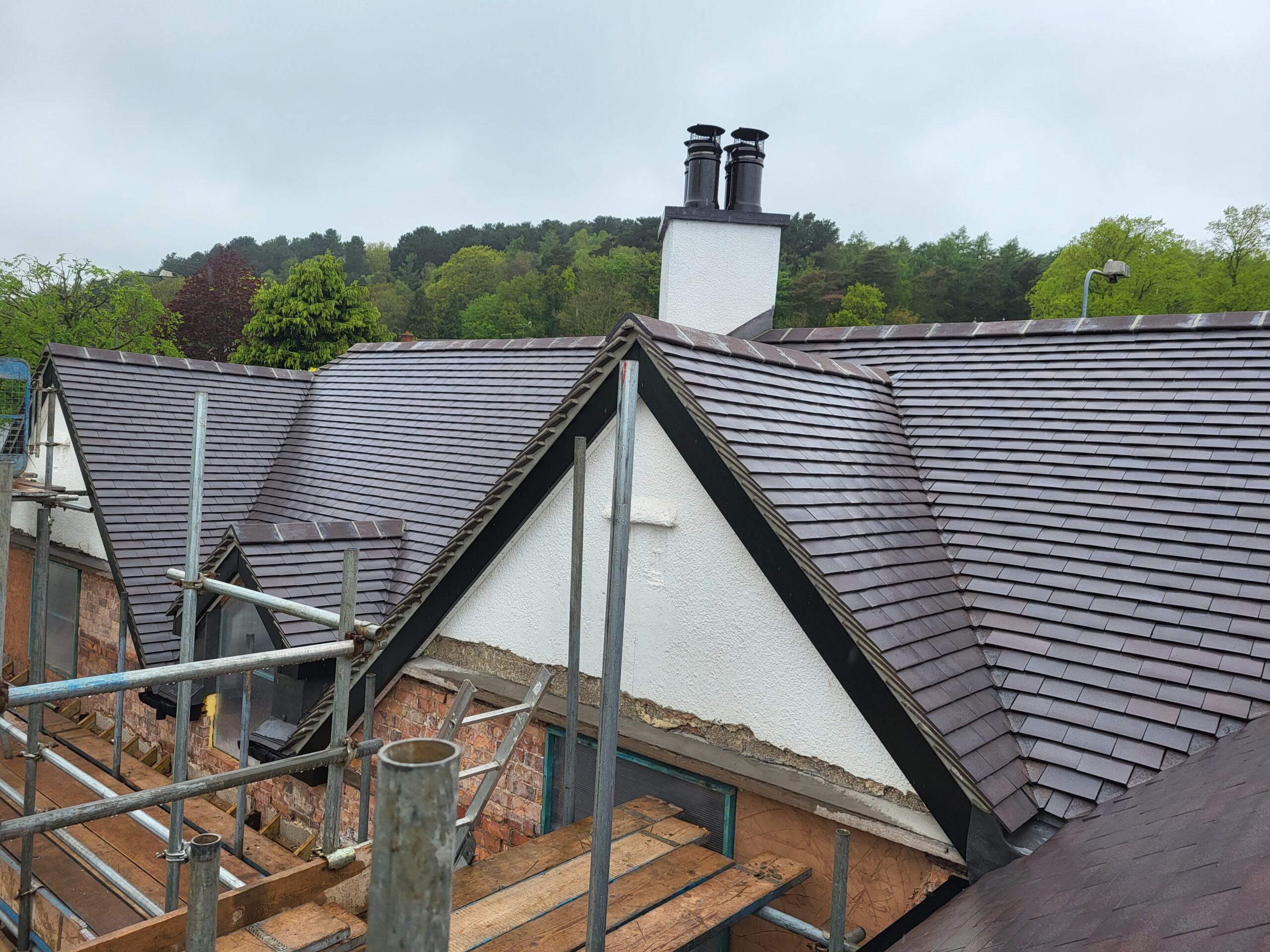
Engaging a professional roofing company for gutter repairs provides several decisive advantages, especially when dealing with extensive damage, complex joint leaks, or safety risks beyond typical DIY capabilities. Roofing experts bring years of hands-on experience, with specialised knowledge in heritage buildings and bespoke finishes, guaranteeing repairs that meet both aesthetic and structural requirements for premium properties. Professional contractors use industry-grade materials and adhere to precise installation methods, reducing the likelihood of recurring leaks and future maintenance issues.
A trusted roofing company will conduct a thorough inspection of signs your roof needs repair, accurately diagnose the problem, and present tailored options for repair or replacement, often backed by warranties and insurance for peace of mind.
Employing professionals also mitigates safety concerns; work on high or awkward roof sections requires ladders, scaffolding, or harness equipment, which are best handled by trained operatives.
Preventive Maintenance to Avoid Future Gutter Leaks
Prevention is key to long-term gutter performance and avoiding costly repairs.
- Maintenance Schedule: Clean gutters twice yearly, in spring and autumn. Prepare your roof for storms to avoid any weather damage. Inspect after heavy weather and quarterly if trees are nearby. Get a professional check every 2–3 years.
- Preventive Measures: Install gutter guards, trim overhanging branches, check bracket security, and apply preventive sealant at joints.
- Warning Signs: Water stains, standing water, sagging, and plant growth indicate developing leak risks.
- Costs: Professional cleaning £80–£150 annually, gutter guards £20–£30/metre, DIY maintenance £20–£40 per year.
- Benefits: Regular maintenance can extend system lifespan, protect the home’s value, and prevent repairs costing £1,000–£5,000+.
Safety Considerations for DIY Gutter Repair
Safety is non-negotiable when repairing gutters at height.
- Essential Equipment: Stable ladder with stand-off brackets; harness for work above single story; non-slip boots and gloves; helper for steadying the ladder.
- Safe Procedures: Follow a 4:1 ladder angle, never overreach, work in good weather, and maintain three-point contact throughout.
- Risks and Thresholds: Height above easy ladder reach, electrical wires, damaged structures, or personal health conditions mean work should not proceed without professional help. For two-story homes or repairs close to power lines, use scaffolding and call certified contractors.
Closing Thoughts
Proper gutter repairs start with a careful diagnosis of leak types and damage causes. Adhering to proven step-by-step techniques and employing high-quality tools and materials supports lasting results and protects the value of UK homes. Safety comes first, never compromise with ladder heights or high-access fixtures.
At C Kearney Roofing, our team of roofing experts offers high-quality repair and replacement services to keep your roof in top condition.
Contact us today to discuss your roofing needs and find the perfect solution for your home or business.
FAQs
1. What should I do if my gutter system is severely damaged or has large gaps?
If a gutter system is severely damaged with visible gaps, missing sections, or widespread corrosion, the most effective solution is to replace the affected areas entirely rather than attempt patch repairs. Replacement ensures proper water flow, eliminates moisture risks, and restores the system’s protective function.
2. How does moisture from faulty gutters lead to problems inside my home?
Moisture from leaking or poorly maintained gutters often seeps into walls and foundations, causing damp patches, mould, and rot in timber and masonry. Persistent moisture exposure can undermine your property’s structural integrity and result in costly restoration work.
3. Can gaps or misaligned gutter joints cause water damage even in newer systems?
Yes, gaps at gutter joints or seams, even in newer installations, allow rainwater to escape directly onto walls, windows, or flower beds, increasing the risk of water ingress and structural moisture problems. Regular inspection and prompt repairs to these gaps preserve system performance and safeguard your home.
C Kearney Roofing LTD
Trusted experts in roofing solutions.
Professional service, reliable craftsmanship, and coverage across the West Midlands.
Locations We Cover
Why Choose Us
- Over 20 years of experience in the industry
- Focused on complete customer satisfaction
- Fully insured for your security
- Workmanship and materials guaranteed
- Rapid response available for emergency situations
- Use only the best materials to protect your property
- Free, no-obligation estimates and honest advice
- We are proud to support our customers before, during, and after every job