

Wolverhampton roofing services
From clay-tiled Victorian terraces around Penn to slate-roofed villas near Tettenhall, Wolverhampton has roofs that need careful reading before work begins. C Kearney Roofing is a family business based in Burntwood, bringing over 20 years’ experience to replacement work across the city, including full strip and re-tile projects.
Roofing
work across in Wolverhampton
From City Centre properties with constrained frontage to homes in Tettenhall, Penn and Compton, we plan replacement work around the building and its access before any roof-work arrangements are finalised.
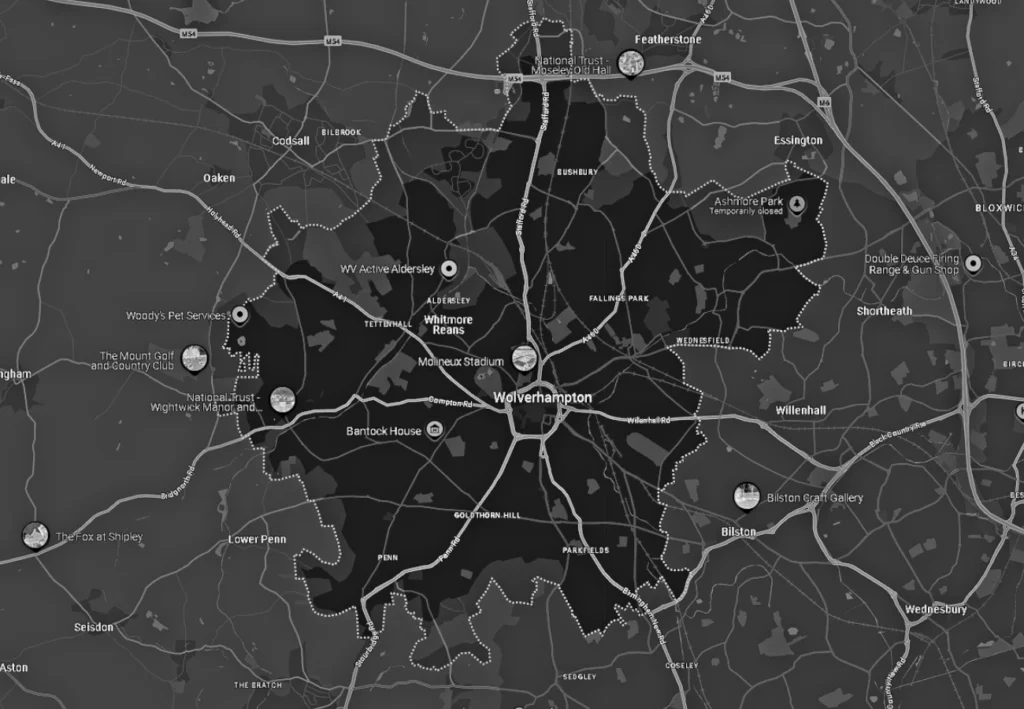
SERVICING ALL AREAS OF WOLVERHAMPTON
Our roofing contractors can provide full roof replacement for homes in all areas of Wolverhampton and the surrounding suburbs, including:
|
Wolverhampton City Centre |
Aldersely |
|
Tettenhall |
Warstones |
|
Penn |
Dunstall |
|
Merry Hill |
Finchfield |
|
Compton |
Newbridge |
|
Bradmore |
Castlecroft |
Trust C Kearney Roofing
for all your Wolverhampton roofing needs!
our
roofing services in Wolverhampton
clay roofing
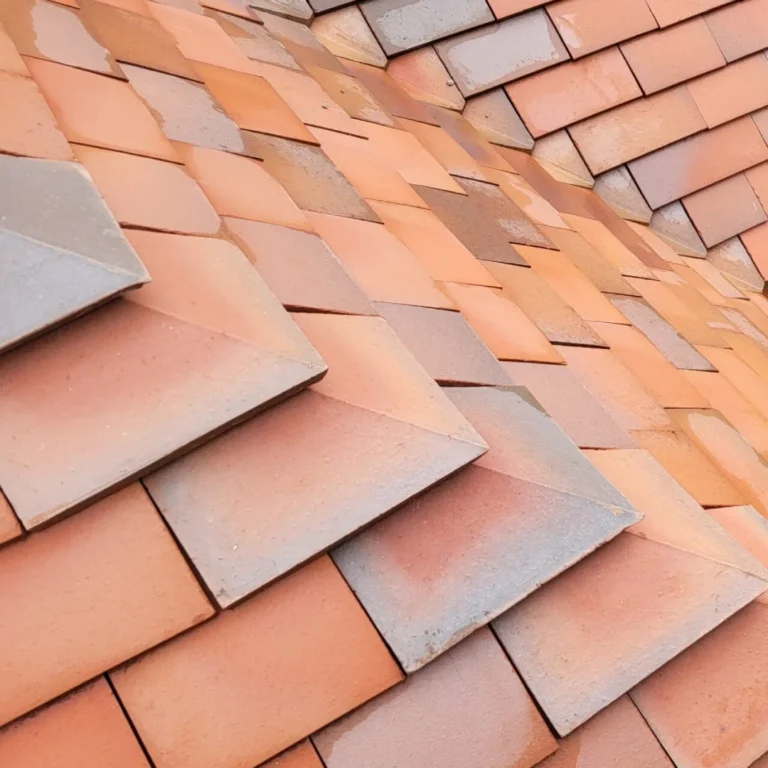
Clay plain tiles are common on older Wolverhampton roofs, particularly where a steep pitch and small tile format define the elevation. For a renewal, the old covering is taken back so the roof can receive suitable underlay and battens before new tiles are laid. Verges, hips and the ridge need detailing that complements the roof shape rather than overpowering it.
Slate roofing
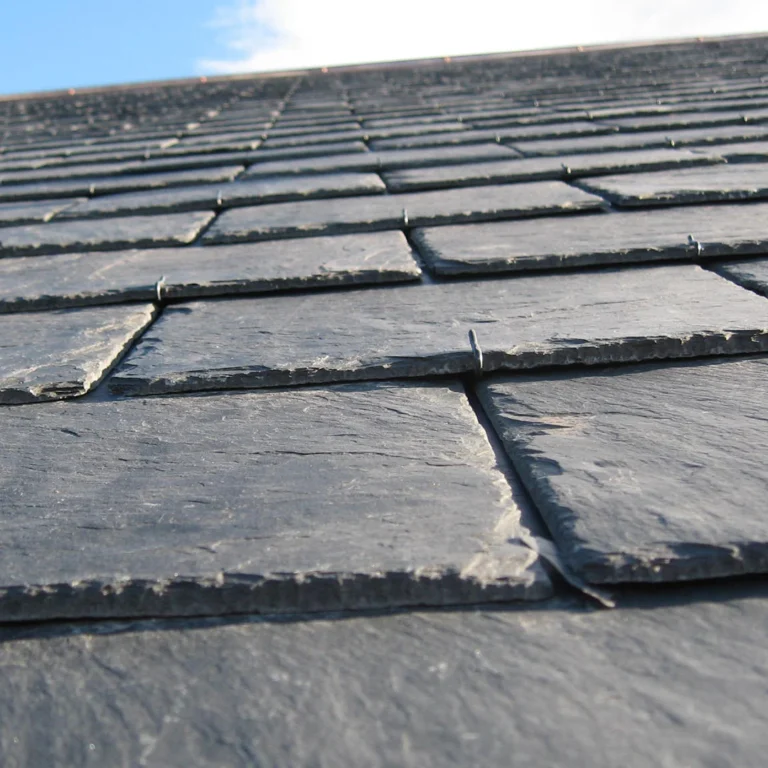
A slate roof asks for orderly setting-out, secure fixing and careful work around abutments. On a period villa, the line of each course has a visible effect from the street. We can replace a slate covering as part of a considered re-roof, including the valleys and lead flashings that meet walls, chimneys or dormer cheeks.
concrete roofing
Later extensions and some suburban houses in Wolverhampton have concrete interlocking tiles. Their larger format makes the lines of the roof, eaves and verge especially noticeable. We renew the covering with attention to the roof’s pitch, tile compatibility and the components around it. That includes a properly prepared base, secure ridge detail and neat junctions with existing walls.
Roofing for New Build / extensions
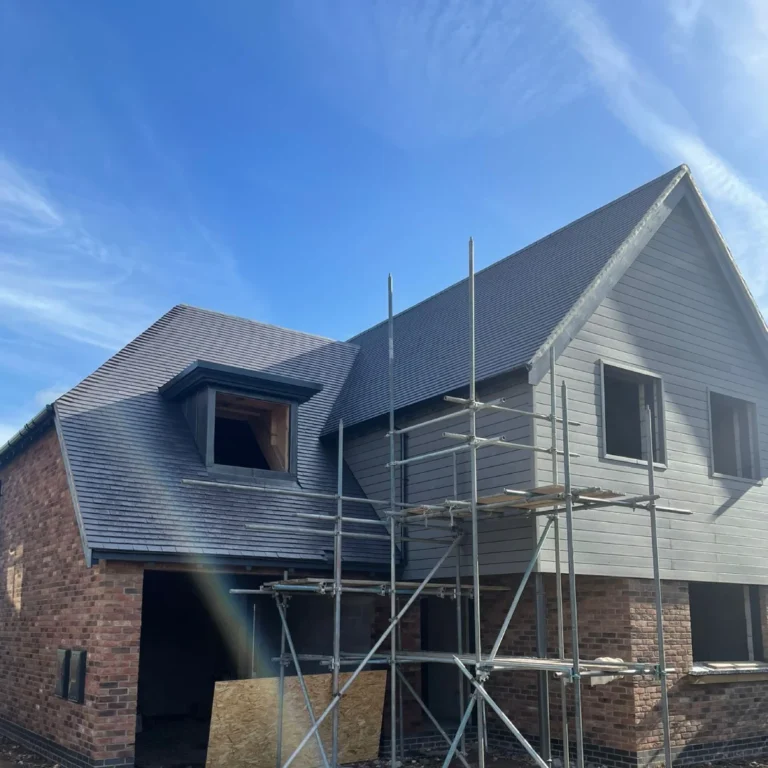
An extension roof must connect cleanly to the existing house without making the junction look like an afterthought. The team takes instruction from homeowners, architects and main contractors alike on new build and extension work. We consider roof pitch, tile or slate selection, flashing lines and how rainwater will leave the new area before the covering goes down.
Flat roofing
in wolverhampton
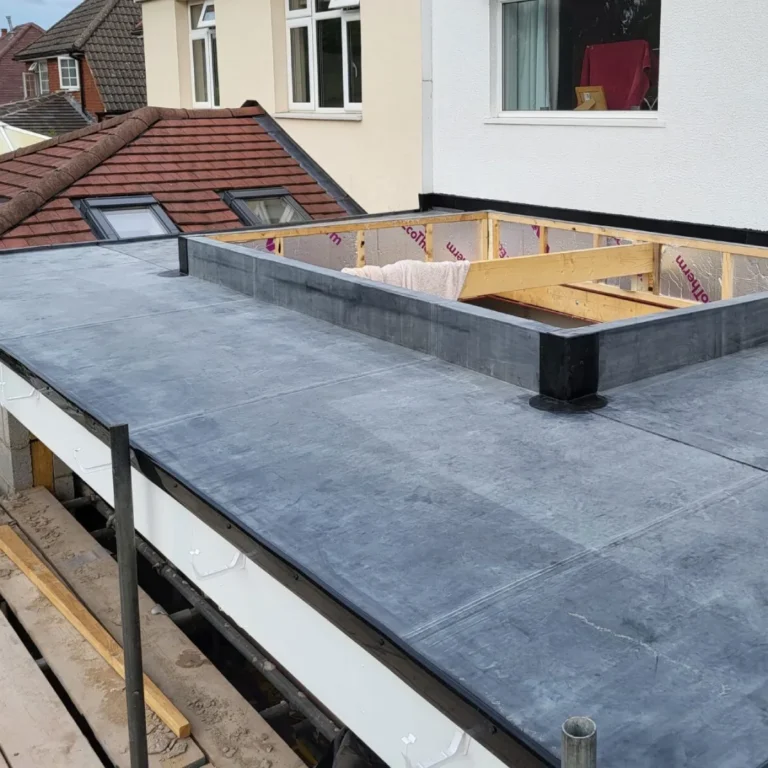
Flat roofs over rear additions, porches and rooflight openings need the correct falls and outlets as well as a suitable covering. EPDM, GRP and torch-on felt each have different uses. We inspect the deck, perimeter details and drainage route, then discuss an appropriate flat roof replacement rather than treating every flat roof as the same job.
bespoke lead work
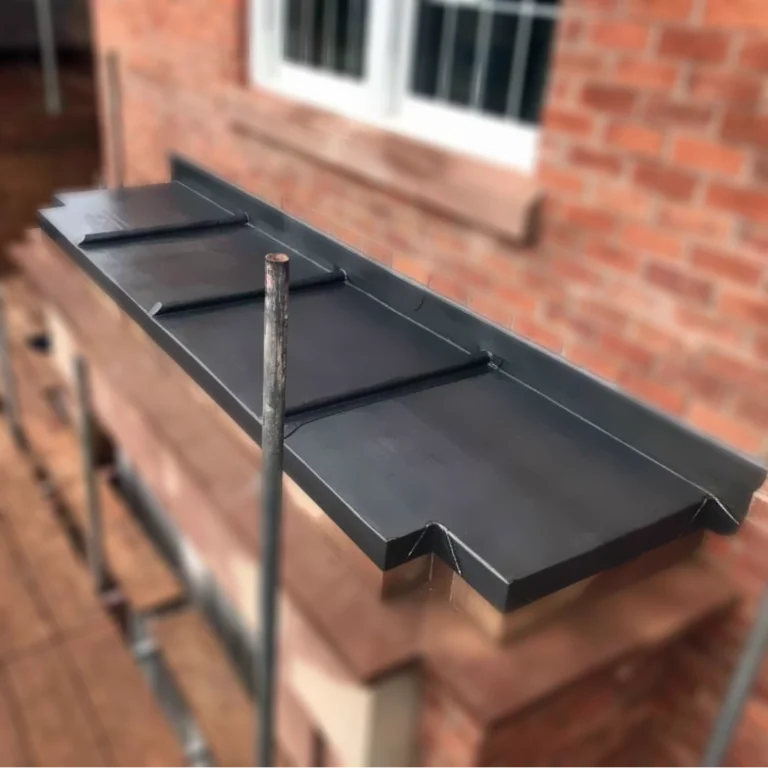
Leadwork gives rainwater a controlled path at chimneys, bays, walls and changes in roof level. The detail may include stepped flashing, soakers, aprons or a formed valley, depending on the junction. The company’s leadwork service covers new lead roofs alongside existing leadwork and historical lead-feature restoration, with the shape of the building guiding the approach.
how we work
Review
We visit the property, look at the roof covering and its key junctions, and listen to what you need from the project. Access, neighbouring homes and any visible constraints are considered at this stage, not left until scaffold arrives.
Scope
You receive a free, no-obligation quote that explains the proposed work. We talk through material choices, the likely sequence, scaffold arrangement and any points that need a decision before dates are agreed.
Build
Once the work starts, the old covering is removed in manageable areas. The roof is prepared with the required underlay and battens before the new covering, ridge, verge and lead details are completed.
Sign Off
At completion, we review the work with you and provide the agreed workmanship guarantee information. Any practical questions about the new roof can be discussed while the work is still fresh.
Why Wolverhampton homeowners choose
C Kearney Roofing?
Period roof knowledge. Wolverhampton has plenty of terraces and villas where clay plain tiles or slate are central to the building’s appearance. We approach a replacement with the roof’s pitch, details and visible elevations in mind, rather than applying one generic specification.
•City-street planning. A property in Dunstall or close to the centre may have very different frontage and delivery conditions from a house in Castlecroft. Scaffold, material placement and waste arrangements are considered against the space that is actually available.
•Weather-aware detailing. Westerly exposure can put roof edges and abutments under regular pressure. Secure tile fixing, tidy verges and correctly formed leadwork are practical details that deserve attention during a re-roof. It affects the work every day.
•A clear route through the work. Full strip and re-tile projects can feel disruptive. We set out what is proposed, discuss the order of work and give a free, no-obligation quote before the job is booked. You know what is being discussed.
•Established local reach. Burntwood is our base, and Wolverhampton is part of the service area named by C Kearney Roofing. That makes it straightforward to arrange an initial visit for a replacement or installation project. We can then look at the house directly.
Reliable Roofing Services
Customer Testimonials
Contact us for Roofing in Wolverhampton
If you are considering a clay, slate, concrete or flat roof replacement, arrange a visit with C Kearney Roofing. We will look at the roof, the access and the proposed scope, then provide a free, no-obligation quote with clear workmanship guarantee options.
Get in touch
Wolverhampton Roofing FAQs
How is scaffold arranged on a narrow Wolverhampton terraced street?
Scaffold is planned around the frontage, roof height, pavement position and the route needed to reach the work safely. On a narrow street, the available space for delivery and loading is checked before dates are fixed. If access through the house or to the rear is relevant, that is discussed during the visit so the proposed arrangement is practical for the property.
Can roof materials be moved through a terraced house to the back garden?
Sometimes the only useful route to a rear roof slope is through the property, but this depends on the layout, access width and what needs protecting. We would discuss the route before work starts and agree sensible measures for floors, walls and garden areas. The aim is to plan the handling of materials, not improvise once the job is under way.
Who deals with a skip permit if it must sit on the pavement?
A skip placed on the public highway can require permission from the relevant authority, while a skip wholly on private land has different considerations. The location, duration and street conditions should be settled before delivery. We explain the waste plan within the job arrangements so you know what space will be needed and what permissions may apply.
Do shared roofs on Wolverhampton terraces need neighbour agreement?
A shared roof line, party wall or flashing junction can affect how a strip-and-re-tile project is planned. The homeowner should speak with the neighbour early where access, scaffold or a shared detail is involved. We can identify the roof elements that meet at the boundary and explain the proposed work, but legal or neighbour agreements remain between the relevant owners.
What happens to the garden while a roof is being stripped and retiled?
The garden may be used for scaffold access, controlled material storage or a route to the work area, depending on the site. Before starting, we discuss which spaces need keeping clear and what should be moved or protected. The roof is opened in manageable sections so the work can progress without leaving the whole building exposed.
What is the usual order of a full strip and re-tile project?
The project begins with scaffold and site set-up, followed by removing the existing covering in planned areas. The roof is then prepared with underlay and battens before new tiles or slate are installed. Valleys, verges, ridge and lead junctions are completed as the roof takes shape, with a final review once the work is finished.