When you compare a flat roof vs pitched roof, you are really weighing up cost, appearance, usable space and long term performance. Flat roofs suit contemporary buildings and extensions, especially when you want a clean, simple roof style and the option for roof lights or roof lanterns that bring in more natural light. Pitched roofs remain the default choice for many UK homes because they cope well with heavy rain, look familiar in traditional streets and usually last longer with less day to day maintenance.
For C Kearney Roofing clients across the West Midlands, both roof types are in regular use on home extension projects, loft conversions and full re roofs, so it is worth understanding how each really performs before you commit.
Fundamentals of Roofing Types
Understanding Flat Roofs
A flat roof is a horizontal or very low slope roof that still has a slight fall to move water towards outlets. You see flat roofs on many modern property extensions, garage roofs and commercial buildings because the structure is simple and uses fewer materials, which keeps the initial roof cost down.
Flat roofs provide additional usable space on top of the building and open up options such as:
- Roof terraces and outdoor space, subject to planning permission and safe access.
- Green roofs that help with insulation and look attractive from neighbouring properties.
- Discreet solar panels that sit flat rather than on brackets.
Because the design is straightforward and there are fewer materials needed, a flat roof extension is generally cheaper to install than a pitched alternative. The trade off is that flat roofs often have a shorter lifespan and need more maintenance to stay weather resistant.
Understanding pitched roofs
A pitched roof is an inclined structure with one or more slopes that push water away quickly, which makes it ideal for the best roofing materials for UK weather. Pitched roofs suit traditional homes and are common on older properties as well as new builds that need to match existing roof types.
Key points about pitched roofs:
- They offer better water drainage, which reduces the risk of standing water and water ingress.
- They can create loft or attic space for storage or a future loft conversion.
- They can be finished in slate, clay or concrete tiles to achieve a very aesthetically pleasing result.
Pitched roofs cost more to build because the structure is more complex and there are more materials and labour involved. In return, they typically deliver a longer lifespan and need fewer major interventions over the years.
Roofing Services
Design and Aesthetic Considerations
Flat Roof Aesthetics
Flat roofs are suitable for modern architectural designs and give a simple, minimalist roof style that works well with big windows and clean lines. On a single storey home extension, the roof is often hidden from street level, which helps keep the overall building height low.
With a flat roof extension you can:
- Add roof lights or roof lanterns to bring in more natural light and direct sunlight over a kitchen or living space.
- Keep the outside of the building calm and uncluttered, especially at the rear where you see more glass and less roof.
- Support green roofs or solar panels without changing the character of the main roof.
This makes flat roofs attractive where planning departments want minimal visual impact or where neighbouring properties sit close together.
Pitched Roof Aesthetics
Pitched roofs enhance traditional building aesthetics and usually look “right” in established streets. They echo the main roof of the property and can help a roof extension feel like a natural part of the house rather than an obvious add on.
Pitched roofs:
- Provide a classic shape that fits most UK homes.
- Work with a wide range of materials such as slate and clay tiles to match existing roof types.
- Add height and presence, which can improve kerb appeal when viewed from the front.
In conservation area settings, a pitched roof extension may be preferred where the roof is visible from the road, even though it carries a higher cost.
Functional Benefits and Drawbacks
Functional Benefits of Flat Roofs
Flat roofs provide additional usable space and are easy to access for inspection and repairs. That is useful on smaller plots where you want outdoor space or have plants and equipment to house.
The pros and cons of a flat roof are:
- A flat roof is easier and safer for contractors to work on, so routine maintenance is simpler.
- It is ideal for roof lights, roof lanterns and larger openings that enhance natural light in new living space.
- It allows green roofs or solar panels to be installed neatly and cost effectively.
The main drawback is that flat roofs are more prone to ponding and water ingress if outlets block or the falls are incorrect, so they need more regular checks and prompt repairs.
Functional Benefits of Pitched Roofs
Pitched roofs offer better water drainage as standard, which helps them deal with heavy rain and snow. The slope moves water and debris off the surface quickly, so coverings tend to dry out faster.
Key functional advantages:
- Excellent drainage reduces leak risks and extends the life of the roof covering.
- Extra depth allows more insulation, which helps keep the home more energy efficient.
- The roof volume can often be used for a loft conversion, creating additional living space without extending outwards.
Disadvantages include higher installation cost and more difficult access for maintenance, which can bring extra costs for scaffolding and safety measures when work is required.
Cost and Maintenance Implications
Cost Analysis
Flat roofs can reduce construction costs because the structure is simpler and uses fewer materials and less labour. That is why a flat roof extension is often the first choice if you are working to a tight budget.
Typical UK cost ranges show the difference:
| Roof type | Average installation cost | Typical ongoing maintenance cost |
| Flat roof | £2,500 to £3,500 for a standard home roof | Around £100 to £300 per year for routine checks and small repairs |
| Pitched roof | £8,000 to £10,000 for a standard home roof | Around £200 to £400 per year, mainly due to access and materials |
Per square metre, guides suggest flat roof cost commonly sits between about £50 and £110, while pitched roofs range roughly from £120 to £275 depending on the materials used. For larger projects, average figures put a flat roof extension cost at around £52,500 compared to about £60,000 for a pitched roof extension of a similar size.
So flat roofs are typically lower cost at installation and can be more cost effective upfront. Pitched roofs usually carry a higher cost to build, but often work out better value over several decades because they have a longer lifespan and hold up well with modest maintenance.
Maintenance Needs
Flat roofs require regular maintenance and inspections because they are more vulnerable to pooling water and UV exposure. You should factor in at least an annual check plus extra visits after very heavy weather.
Typical maintenance for flat roofs includes:
- Clearing leaves and debris from outlets so water does not stand on the surface.
- Checking seams, edges and penetrations for early signs of lifting or cracking.
- Dealing promptly with any water ingress before it damages the deck or insulation.
Modern EPDM and high performance felt systems can last 20 years or more when installed and maintained well, but poor detailing and neglected maintenance will shorten that lifespan.
Pitched roofs usually need less frequent intervention, but they are not maintenance free. Typical tasks include replacing broken tiles or slates, checking flashings and keeping gutters and valleys clear. The roof covering itself often lasts 40 to 60 years or more, especially when you choose good quality clay or slate and keep on top of small issues.
Because pitched roofs are higher and steeper, maintenance visits may involve more equipment and labour, which is why the annual cost range is a little higher even if visits are less regular.
Contact Us
Environmental and Energy Efficiency
Energy Efficiency
Both flat and pitched roofs can be energy efficient when specified correctly, but they work in slightly different ways. A pitched roof often has deeper insulation and a ventilated loft space, which makes it easier to regulate temperature and support a long lifespan for the roof covering.
Flat roofs rely on a well detailed warm roof build up, with rigid insulation above the deck that reduces thermal bridging and keeps rooms comfortable. When you add green roofs or solar panels, you can further boost energy efficiency and offset some of your heating or electricity costs.
Environmental Impact
Flat roofs are ideal for green roofs, which help manage rainwater, support biodiversity and improve views from upper floors. Pitched roofs typically use long lasting tiles or slates that can be recycled at the end of their service life, and their durability keeps waste and replacement work to a minimum.
For both roof types, a quality installation and good insulation are central to cutting carbon impact over the life of the building. C Kearney Roofing focuses on durable materials and careful workmanship to deliver roofs that stay sound for as long as possible.
Installation Techniques
Flat Roof Installation
Modern flat roofs use membrane roofing materials such as EPDM rubber or bituminous systems over a solid deck. Installers create a slight fall so that water runs to outlets, then add insulation and the final waterproof layer.
Key points:
- Good detailing around edges, roof lights and any pipework is crucial to avoid leaks.
- Quality membranes and correct installation extend lifespan and limit maintenance.
- Professional installation is essential to keep the system weather resistant over time.
Pitched Roof Installation
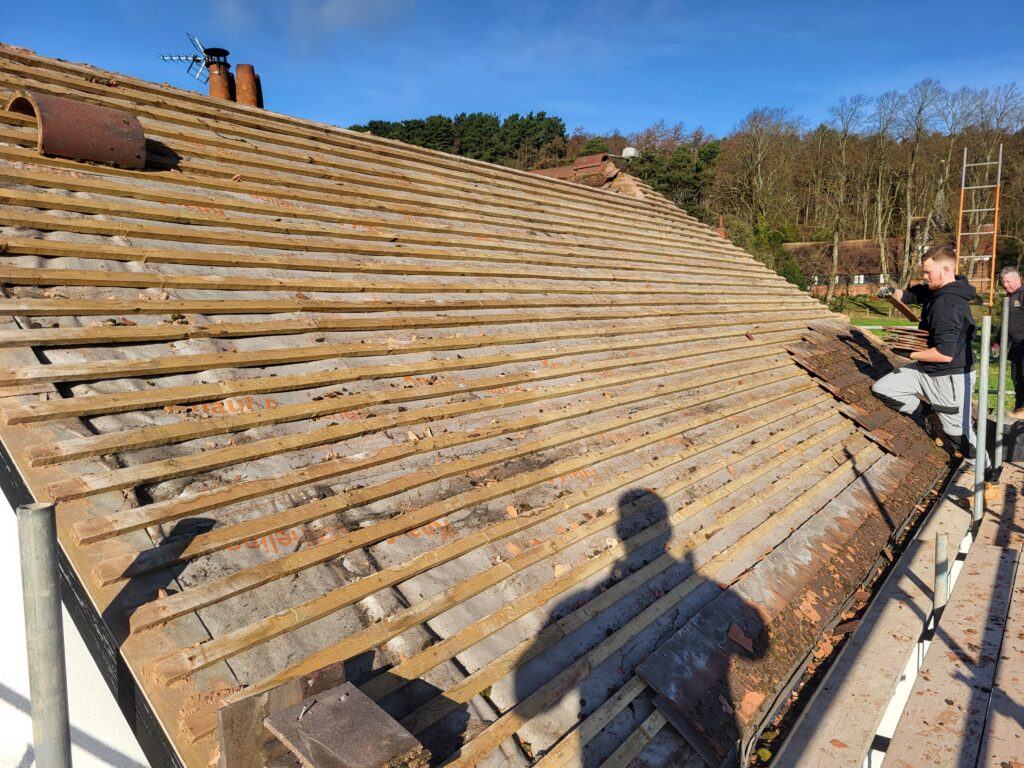
Pitched roof installation starts with rafters or trusses, followed by a breathable underlay, battens and the chosen tiles or slates. Each component needs to be set out accurately so the roof sheds water correctly and looks consistent.
Slate roofing and clay tile services rely on skilled craftsmanship for areas such as valleys, hips and ridges, where poor work can lead to long term problems. C Kearney Roofing specialises in traditional and modern roofing and uses proven techniques that support a long, low maintenance service life.
Closing Thoughts
When you compare flat and pitched roofs, the key differences sit around cost, lifespan and maintenance. Flat roofs are generally cheaper, quicker to build, offer more straightforward access and can create extra outdoor space or allow more natural light into a home extension. Pitched roofs are typically more expensive to install and maintain, but they offer excellent drainage, strong energy performance and a much longer lifespan with fewer major issues when looked after.
Your best choice depends on your property, budget, planning restrictions and personal preference. If you want the lowest initial roof cost or have a tight site where extra height is a problem, a flat roof extension may be the better fit. If you favour a traditional look, longer lifespan and are prepared for a higher cost, a pitched roof extension is often the stronger option.
At C Kearney Roofing, we offer expert advice and top-quality roofing solutions and services, whether you prefer the classic appeal of traditional materials or the cutting-edge benefits of modern alternatives.
Contact us today to discuss your roofing needs and find the perfect solution for your home or business.
FAQs
Is a flat roof extension cheaper than a pitched roof extension?
Yes. A flat roof extension is generally cheaper to build because the structure is simpler and uses fewer materials, although it may need more maintenance over time.
Which roof type lasts longer, flat or pitched?
A well installed pitched roof usually has a longer lifespan than a flat roof and often needs fewer major repairs, especially in rainy UK climates.
Do flat roofs need more maintenance than pitched roofs?
Flat roofs require more regular inspections and maintenance to prevent ponding and leaks, while pitched roofs tend to need less frequent but sometimes more complex access for repairs.
C Kearney Roofing LTD
Trusted experts in roofing solutions.
Professional service, reliable craftsmanship, and coverage across the West Midlands.
Locations We Cover
Why Choose Us
- Over 20 years of experience in the industry
- Focused on complete customer satisfaction
- Fully insured for your security
- Workmanship and materials guaranteed
- Rapid response available for emergency situations
- Use only the best materials to protect your property
- Free, no-obligation estimates and honest advice
- We are proud to support our customers before, during, and after every job