
Flat roofs are a popular choice for both residential buildings and commercial properties, offering clean lines and a contemporary aesthetic that many building owners appreciate. Like any roofing system, flat roofs come with several benefits alongside certain challenges. Understanding the advantages and disadvantages of flat roofs will help you make an informed decision for your next new construction, roof replacement, or extension project.
This guide explores the key benefits and potential drawbacks of flat roofing, flat roofing materials, and how to extend your flat roof’s lifespan through proper installation and regular maintenance.
What Is A Flat Roof?
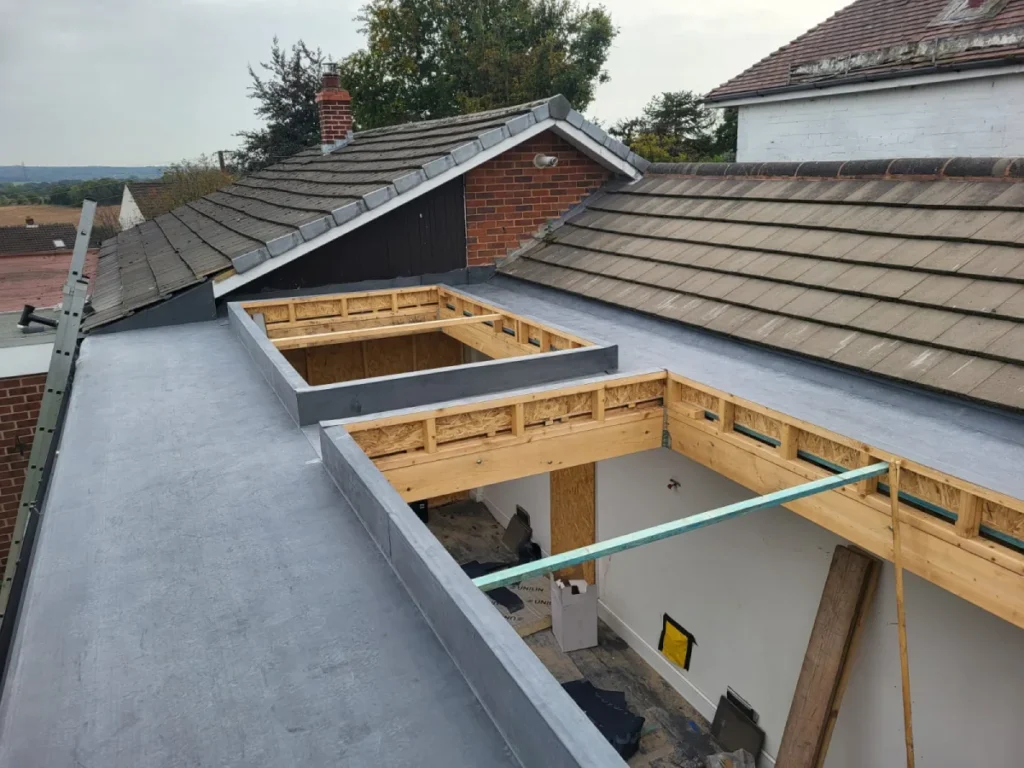
A flat roof is a roofing system with a slight pitch (usually around 1 to 10 degrees) to enable water to drain, unlike traditional pitched roofs that have a steep slope. Flat roof surfaces often use durable materials like EPDM rubber roofing, modified bitumen, or GRP fibreglass to provide weather resistance and longevity.
Flat roofing solutions are used widely on commercial properties but have grown in popularity for residential buildings, especially those seeking extra space or rooftop garden installations.

Components of a Bitumen flat Roofing System
Advantages Of Flat Roofs
1. Cost Effectiveness
Flat roof installations typically require fewer materials and are faster to install than a sloped roof, making them a cost-effective choice for building owners looking to manage construction or renovation budgets efficiently.
2. Extra Usable Space
One of the biggest advantages of a flat roof is the additional living space it offers. Building owners can install solar panels to improve energy efficiency, create rooftop gardens to improve air quality, or use the space for storage.
3. Contemporary Aesthetic Appeal
Flat roofs provide clean lines that work well with modern architecture, creating a minimalist look that complements contemporary homes and commercial designs.
4. Easy Maintenance
Routine inspections and regular maintenance are generally easier with flat roofs because the flat roof surface is accessible, making it safer for roofing experts to check for potential issues or carry out minor repairs.
5. Potential For Green Roofs
Flat roofing systems can be designed as green roofs, supporting vegetation and improving insulation, reducing heating and cooling costs while promoting biodiversity in urban spaces.
Disadvantages Of Flat Roofs
1. Drainage Issues
One of the main disadvantages of flat roofs is the potential for drainage issues. Without a proper slope and well-designed drainage system, standing water and water pooling can occur, leading to leaks and damage over time.
2. Weather Sensitivity
Flat roofs can be more susceptible to harsh weather conditions, including heavy rainfall and the impact of UV rays, which can degrade some flat roofing materials if not properly maintained.
3. Shorter Lifespan Compared To Pitched Roofs
Although flat roofs can be extremely durable with proper installation and care, they typically have a shorter lifespan compared to traditional pitched roofs due to water drainage challenges and weather exposure.
4. Limited Design Options
While flat roofs offer clean lines and a contemporary look, they may not suit every architectural style, and the aesthetic appeal may be limited for those preferring a more traditional roof structure.
Popular Flat Roofing Materials
Flat roofs require specific materials designed to withstand standing water and harsh weather conditions. Common flat roofing materials include:
- EPDM Rubber Roofing: Extremely durable and UV resistant, EPDM rubber is flexible and can last up to 30 years with proper maintenance.
- Modified Bitumen: A cost-effective material with good weather resistance and flexibility, suitable for new installations and refurbishments.
- GRP Fibreglass: Lightweight, seamless, and highly durable, GRP fibreglass is popular for its clean finish and resistance to water and UV rays.
- Felt Roofing: A traditional and budget-friendly option for flat roofs but with a shorter lifespan compared to other materials.
Extending Your Flat Roof’s Lifespan
To get the most from your flat roof, professional roofers recommend:
- Proper Installation: Ensuring the roofing system has the correct slope and drainage to handle heavy rain and prevent standing water.
- Regular Maintenance: Routine inspections to check for cracks, punctures, or water pooling help prevent minor issues from becoming major problems.
- Use Of Durable Materials: Investing in high-quality materials such as EPDM rubber roofing or GRP fibreglass improves your roof’s resistance to UV rays and weather conditions.
- Prompt Repairs: Repairing roof leaks and drainage issues quickly protects your building and extends the roof’s lifespan.
Is A Flat Roof Right For You?
Choosing between a flat roof and a pitched roof depends on your building’s needs, budget, and design goals. Flat roofs are often ideal for those seeking a cost-effective, contemporary aesthetic with additional living or storage space, while pitched roofs may be more suitable for those looking for a traditional look and longer lifespan with less concern about drainage.
Closing Thoughts
Flat roofs offer several benefits, from cost savings to extra usable space, but also require careful planning, proper drainage, and routine maintenance to prevent water pooling and drainage issues. Whether you are installing a flat roof on new construction or replacing an existing roofing system, working with professional roofers ensures your flat roof offers long-term performance and aesthetic appeal.
At C Kearney Roofing, we specialise in flat roofing replacements and can help you choose the right flat roofing material to meet your specific needs. Our team of roofing experts is experienced in flat roof installations, ensuring proper drainage and a professional finish that stands the test of time.
Get in touch with our team today to talk through your project or request a quote. With quality materials and expert installation, your flat roof will be in safe hands for years to come.
FAQs
Can I install solar panels on a flat roof?
Yes, flat roofs are ideal for installing solar panels as they offer unobstructed space, allowing you to adjust the panel angles for maximum efficiency.
What are the main flat roof advantages compared to pitched roofs?
Flat roof advantages include lower installation costs, easier maintenance, and the ability to use the space for solar panels or roof gardens, making them a flexible choice for modern roof designs.
Can a flat roof help with reduced heating costs?
Yes, flat roofs can support green roof designs and effective insulation, which can contribute to reduced heating and cooling costs by improving your building’s energy efficiency.