Choosing the right roofing material is one of the biggest decisions a UK homeowner can make. With our famously unpredictable weather: rain, wind, and even the odd snowfall, your roof needs to be tough enough to handle it all. This guide walks you through the top roofing materials, from timeless favourites like slate and clay tiles to newer innovations such as metal and solar roofing.
You’ll find insights into cost, durability, and style so you can pick a material that fits both your home and your budget. Whether you’re restoring a historic building or building a contemporary, eco-conscious home, the right roof makes all the difference to both the look and the longevity of your property.
Comparison of Roofing Materials
When comparing roofing materials, it helps to look at durability, cost, and aesthetic appeal side by side. Below is a simple overview of how the main options stack up.
| Material | Durability | Cost | Aesthetic Appeal |
| Asphalt Shingles | Medium | Low | Moderate |
| Metal Roofing | High | Medium | Modern |
| Slate Tiles | High | High | Elegant |
| Clay Tiles | High | Medium | Traditional |
| Concrete Tiles | High | Medium | Versatile |
| Flat Roofing | Medium | Low | Minimalist |
Roofing Services
Asphalt Shingles
Asphalt shingles offer moderate aesthetic appeal and are one of the most affordable ways to cover a roof. They come in a wide range of colours and styles, giving homeowners freedom to match the look of the property without stretching the budget. On the downside, asphalt has a shorter lifespan than tile or metal roofing and can wear more quickly in harsh weather conditions. This means proper maintenance and occasional patching or replace work are important to keep the roof in good shape.
Metal Roofing
Metal roofing gives a sleek, modern look that enhances contemporary homes as well as some commercial buildings. Although the cost is typically higher at the start, metal can be extremely durable and offers excellent protection against high winds, heavy rain, snow, and other extreme weather. Metal roofing is also recyclable and, because of its reflective surface, may help reduce energy costs, which is one reason it is gaining popularity in the UK market.
Slate Tiles
Slate roofing is often chosen for its elegant appearance and long-term durability. Slate tile roofs are a common sight on heritage properties, where they add character and retain the building’s original charm. As a natural stone, slate is durable and can withstand harsh weather conditions, falling branches, and other debris with minimal damage when properly installed. It sits firmly in the category of expensive roofing materials, but homeowners often value its longevity and premium option status.
Clay Tiles
Clay tiles bring a warm, classic look to a roof and are especially attractive on traditional or Mediterranean-style properties. Their natural tones and textured finish add strong aesthetic appeal, and their weather resistance makes them suitable for areas prone to high temperatures and strong sunlight. Clay has relatively low water absorption, helping with insulation and supporting a more energy efficient home. Their main drawbacks are fragility during installation and higher costs compared with some other materials, but many homeowners feel the appearance and durability are worth it.
Concrete Tiles
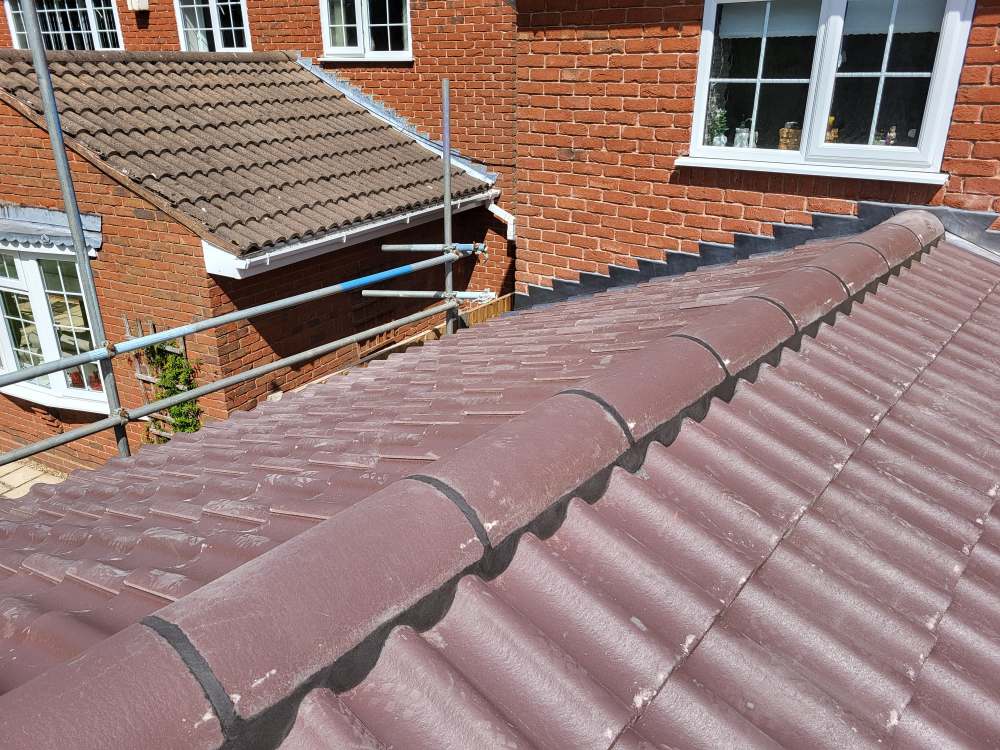
Concrete tiles are a practical, versatile choice for many property types, including new builds and larger developments. They offer durability similar to clay and can withstand heavy rain, high winds, snow, and frost, providing excellent protection against harsh weather conditions. Concrete tiles come in a wide range of styles and colours, making it easier to complement the existing property and other materials. The trade-off is that concrete has a heavy weight and may require additional structural support to carry the load safely, especially on older roofs.
Flat Roofing
Flat roofing systems are popular for modern designs and for extensions where a simple, unobtrusive finish is preferred. Materials such as EPDM rubber, TPO, and modified bitumen are commonly used because they are durable, flexible, and can cope with uk weather when properly installed. Flat roof solutions are often cost effective in terms of both materials and installation, but they do rely heavily on good detailing at corners, edges, and drains. Without proper maintenance and drainage, standing water can reduce the roof’s longevity.
With this comparison, homeowners can quickly see how each material measures up on cost, durability, and aesthetic appeal, making it easier to narrow down the right roofing material for their property and budget.
Detailed Analysis of Specific Materials
Asphalt Shingles
Asphalt shingles are well known for being affordable and easy to install, making them a popular option for homeowners who want a cost effective solution. They typically use a fibreglass base with asphalt and mineral granules, which creates a lightweight, flexible covering that suits a wide range of roof styles and corners. When properly installed, asphalt shingles can give UK homes practical protection at a lower cost than many other roofing materials.
- Key benefits: Cost effective, lightweight, easy to install
- Drawbacks: Moderate durability, shorter lifespan, regular maintenance needed
Metal Roofing
Metal roofing covers a wide range of materials, including steel, aluminium, and other metals. It is extremely durable and offers excellent weather resistance, standing up to wind, heavy rain, snow, and other harsh weather conditions with minimal damage. Metal can also help reduce energy costs because reflective coatings can limit heat build-up in the property, and many systems are made from recycled materials, which supports eco friendly goals.
- Key benefits: Long lasting, recyclable, great performance in extreme weather
- Drawbacks: Higher initial cost, can be noisy in heavy rain without good insulation
Slate Tiles
Slate roofing is made from natural stone and is highly regarded for its beauty and durability. A well-installed slate roof can last many decades, offering long lasting protection and maintaining its appearance with relatively low maintenance. The benefits of a slate roof include it is resistant to fire, wind, and water, and its strength gives excellent protection from other debris like falling branches.
- Key benefits: Very durable, fire resistant, premium aesthetic appeal
- Drawbacks: Heavy weight, expensive roofing materials, requires skilled installation
Clay Tiles
Clay tiles are formed from natural clay and kiln-fired to create hard, durable roofing materials. They handle a wide range of weather conditions, including high temperatures and rain, and contribute to good insulation, helping the home feel more comfortable. Their decorative styles and colour range allow homeowners to tailor the look of their roof to match the property.
- Key benefits: Weather resistance, energy efficient, strong aesthetic appeal
- Drawbacks: Fragile to handle, higher installation cost, can require experienced installers
Concrete Tiles
Concrete tiles are a solid choice for homeowners looking for durable, cost effective roofing materials that can still look stylish. They stand up well to frost, snow, heavy rain, and wind, and are considered extremely durable when properly installed and maintained. Concrete tiles can imitate slate or clay at a lower cost, making them attractive in markets where budget matters but quality still counts.
- Key benefits: Durable, versatile styles, good value for money
- Drawbacks: Heavy weight, may need additional structural support, colours can fade over time
Flat Roofing
Flat roof systems such as EPDM rubber, TPO, and modified bitumen are commonly used on extensions, garages, and commercial buildings. These materials are flexible, can cope with extreme weather, and offer a clean, modern finish that suits contemporary designs. Because flat roofs don’t shed water as quickly as pitched roofs, proper maintenance, good detailing, and reliable drainage are essential to protect the roof’s longevity.
- Key benefits: Cost effective, modern aesthetic, suitable for a range of property types
- Drawbacks: Potential for water pooling, requires regular inspections and maintenance
This closer look at each material helps homeowners weigh up quality, cost, and performance before thinking about more advanced and sustainable options.
Contact Us
Advanced Topics: Sustainable and Innovative Materials
Solar Tiles
Solar tiles are a modern option that blend roofing materials and solar technology into one system. Rather than adding separate solar panels, the tile itself generates electricity, helping reduce energy costs over time. While they are typically among the more expensive roofing materials upfront, they can be a long lasting and energy efficient solution for homeowners focused on eco friendly living and lower bills.

Green Roofs
Green roofs use vegetation laid over waterproof membranes and other materials to create a living layer on top of the roof. They add insulation, reduce heat in built-up areas, and offer a unique aesthetic appeal that can transform the look of a property. Green roofs are becoming more common on both homes and commercial buildings where sustainable design is a priority.
Rubber Roofing
Rubber roofing is usually made from recycled materials, often including recycled tyres, making it an eco-friendly choice for many flat roof projects. It is lightweight, flexible, and offers good weather resistance, particularly on roofs with complex corners or details. Rubber can sometimes mimic the look of slate or other materials, offering homeowners an alternative style without the heavy weight of traditional tile.
These sustainable and innovative roofing materials not only support environmental goals but also bring additional benefits that more traditional tiles or shingles may not offer.
Best Practices in Roofing
Good habits and proper maintenance go a long way toward protecting the longevity and quality of any roof.
- Regular roof inspections: Check your roof at least once a year, and after extreme weather, to spot loose shingles, broken tile, or damage from wind, snow, and other debris.
- Cleaning: Clear moss, leaves, and dirt from tiles, gutters, and flat roof surfaces to prevent water build-up and damage.
- Minor repairs: Fix small issues as soon as you notice them to avoid more expensive roofing materials or labour later on.
While smaller tasks can sometimes be handled by confident homeowners, major installation or repair work should usually be left to qualified professionals to ensure everything is properly installed and safe.
Common Challenges and Solutions
Homeowners regularly face issues such as leaks, damaged materials, or wear and tear from harsh weather conditions.
- Leaks: These often start small, around joints, corners, or damaged shingles. Early detection and repairing a roof leak sooner rather than later can prevent larger problems and protect the property’s structure and insulation.
- Weather damage: In areas prone to intense wind, heavy rain, snow, or extreme weather, choosing extremely durable materials like metal roofing, slate roofing, concrete tiles, or other materials with strong weather resistance can make a big difference.
By staying on top of maintenance, choosing suitable materials for the local climate, and arranging professional installation where needed, homeowners can extend the life and quality of their roof and avoid the need to replace it sooner than necessary.
Summary and Key Takeaways
Picking the right roofing material is essential for protecting uk homes from wind, rain, snow, and other changing conditions.
- Material durability: Slate roofing and metal roofing offer exceptional longevity and excellent protection. Asphalt shingles are more affordable but have a shorter lifespan and need regular care. Clay tiles and concrete tiles provide strong weather resistance and good insulation.
- Cost considerations: Asphalt shingles are among the most cost effective materials upfront, while slate, metal, and some premium option tiles sit at the higher end as some of the most expensive roofing materials. Concrete tiles often strike a balance between cost and durability.
- Aesthetic appeal: Slate and clay tiles add classic character, while metal roofing, rubber, and modern flat roof systems suit contemporary styles and commercial buildings. Concrete tiles and other materials offer a wide range of styles and colours to suit different tastes.
- Sustainable and recycled materials: Solar tiles, green roofs, and rubber roofing made with recycled materials are gaining popularity with eco conscious homeowners and can be both energy efficient and long lasting.
Closing Thoughts
By weighing up cost, durability, appearance, and maintenance, homeowners can choose roofing materials that not only look good but also provide reliable, long lasting protection for their property in the UK climate.
At C Kearney Roofing, we specialise in high-quality roof replacement and repairs, using a range of roofing materials suited to your home and your budget. Whether you need a full roof replacement, roof repairs, or advice on your options, our experienced team can help you through every step of your roofing project.
Contact us today to discuss your roof replacement cost breakdown and get expert advice on your roofing needs.
FAQs
1. How do I know when I need a new roof?
You may need a new roof if you notice frequent leaks, missing or cracked tiles or shingles, sagging areas, or visible daylight through the loft. If repairs are becoming more regular and expensive, replacing the entire roof can be a more cost effective long-term solution for homeowners.
2. Why is water absorption important when choosing roofing materials?
Water absorption affects how well a roofing material copes with heavy rain and long-term moisture. Materials with low water absorption, such as quality clay tiles and some concrete tiles, are less likely to suffer from frost damage, cracks, and moss growth, helping the roof stay durable and attractive for longer.
3. Which roofing material should I choose for a new roof in the UK?
For a new roof in the UK, it’s worth considering local weather, budget, and desired appearance. Slate and metal roofing are excellent for durability, clay and concrete tiles offer good insulation and lower water absorption, and asphalt shingles can be a more affordable option if you’re working to a strict budget and carry out proper maintenance.
C Kearney Roofing LTD
Trusted experts in roofing solutions.
Professional service, reliable craftsmanship, and coverage across the West Midlands.
Locations We Cover
Why Choose Us
- Over 20 years of experience in the industry
- Focused on complete customer satisfaction
- Fully insured for your security
- Workmanship and materials guaranteed
- Rapid response available for emergency situations
- Use only the best materials to protect your property
- Free, no-obligation estimates and honest advice
- We are proud to support our customers before, during, and after every job